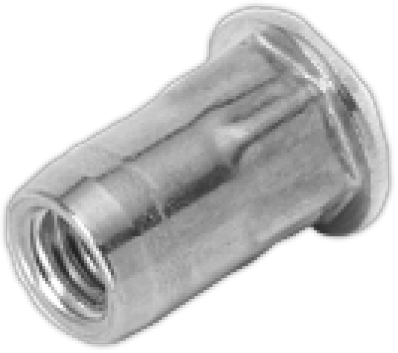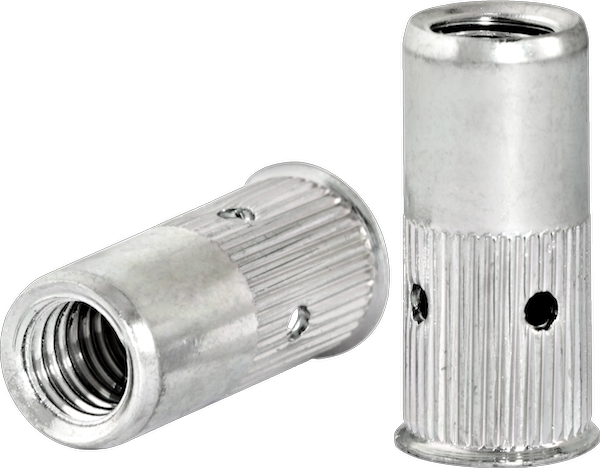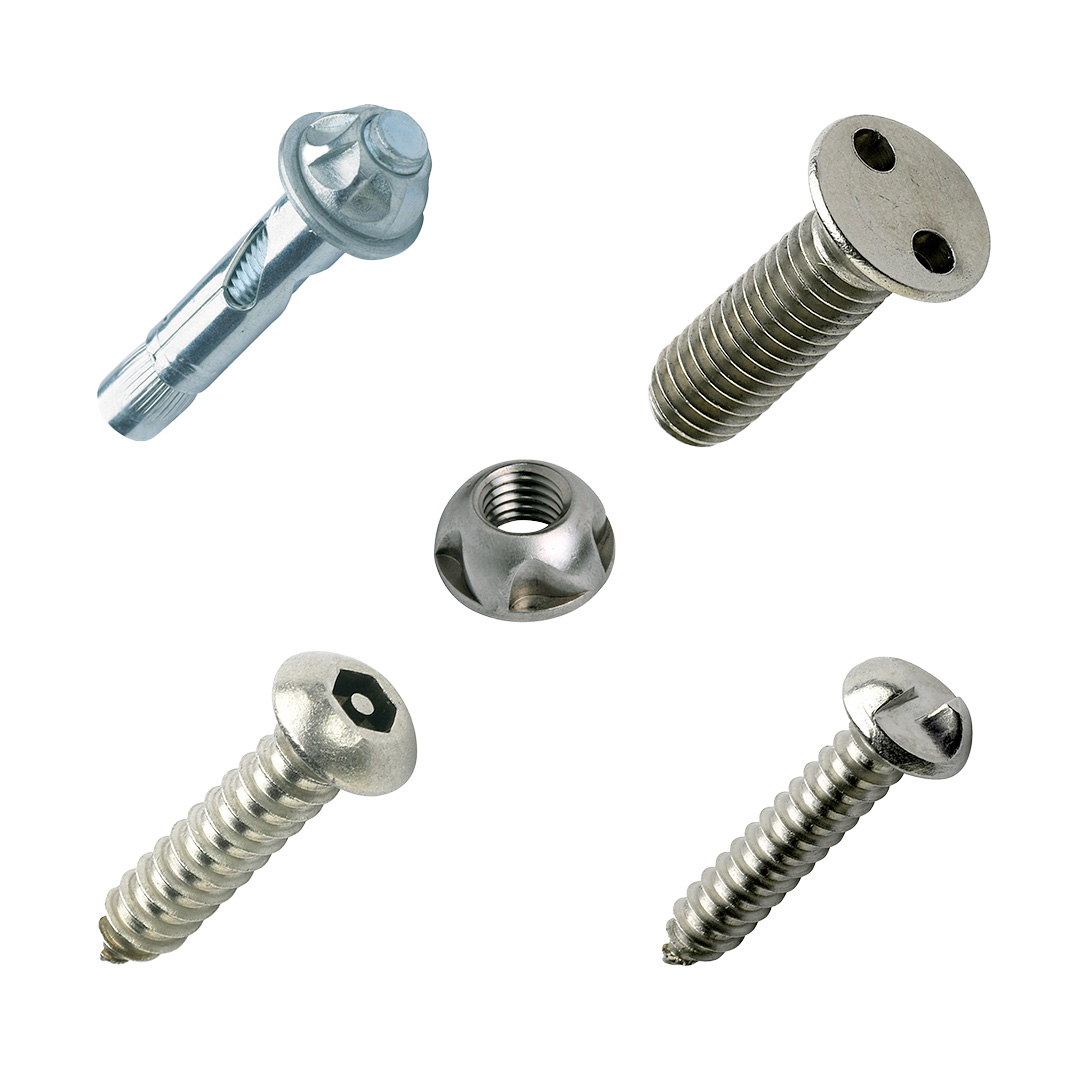

RIVET BUSHES ROUND SERRATED SPIGOT HST M12x12G (2.8)


Documents
Video
Frequently asked questions
The Self clinch nut isn’t fastened in the sheet metal, why?

The most common reason that the clinch nut does not fasten in the sheet metal is that the sheet is too hard. When a clinch nut is to be installed in sheet metal, it is therefore important that the nut is harder than the sheet metal in which it is to sit. If the sheet is softer than the nut, the material is pushed into all of the nut’s tracks and grooves and thereby keep it in place. Self clinch fasteners are available in several different materials, such as steel, stainless steel and aluminium. If nothing works and they still tend to detach from the sheet, a riveted fastener is an alternative. It has a spigot that goes through the sheet and is compressed down on the back so that you basically get a completely flush rivet joint.
When should I choose Self Clinch Fasteners?
Self Clinch Fasteners are the right choice when you are working with thin materials such as aluminum, steel or stainless steel and need to create strong, vibration-proof threads or spacers. They are pressed in mechanically and become permanent when the sheet metal flows in and locks the element. This eliminates the need for welding and heavy-duty solutions such as loose nuts and bolts.
Tools
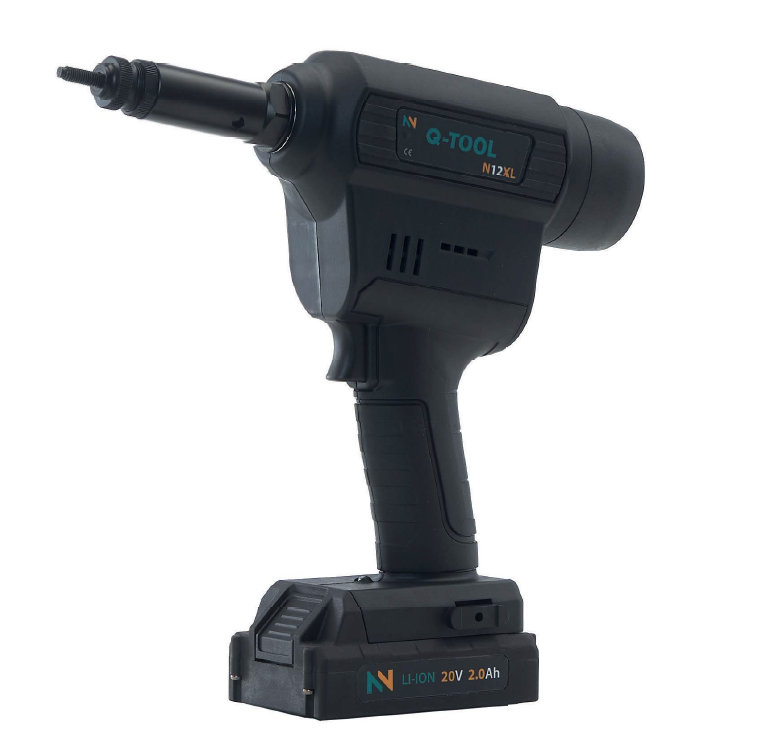
Rivet Nut Tools 
Our efficient and ergonomic tools simplify every rivet nut installation. Our range includes tools...
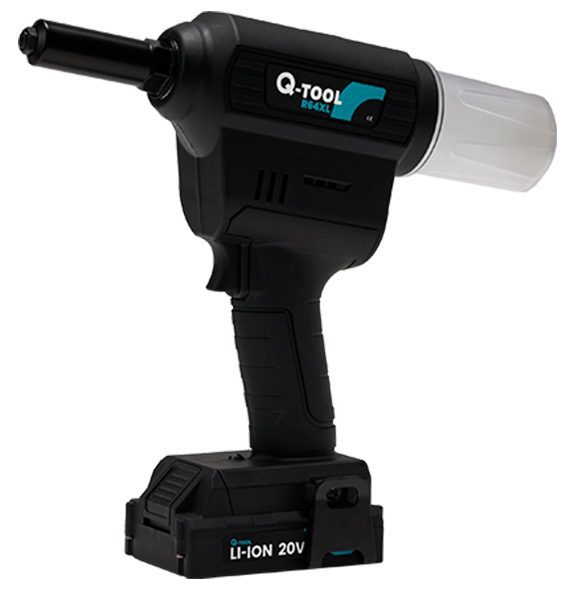
Blind Rivet Tools
Effortless installation of blind rivets! Discover our range of powerful and ergonomic blind rivet...
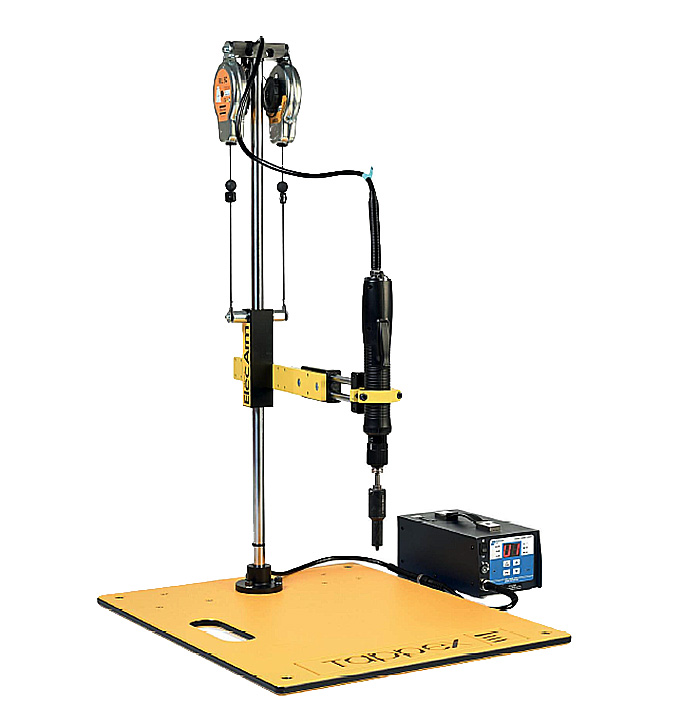
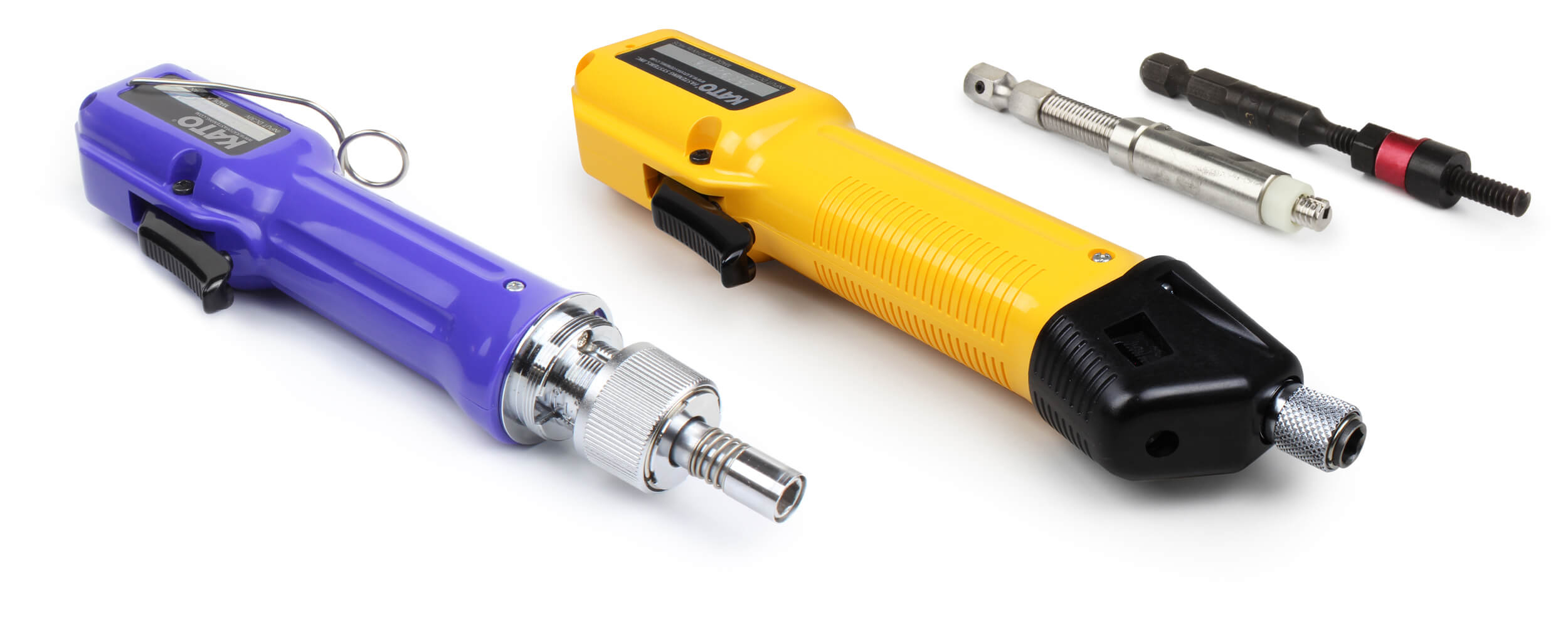
Wire Thread Inserts
Install wire thread inserts quickly and securely, ensuring consistent results every time. We offer...